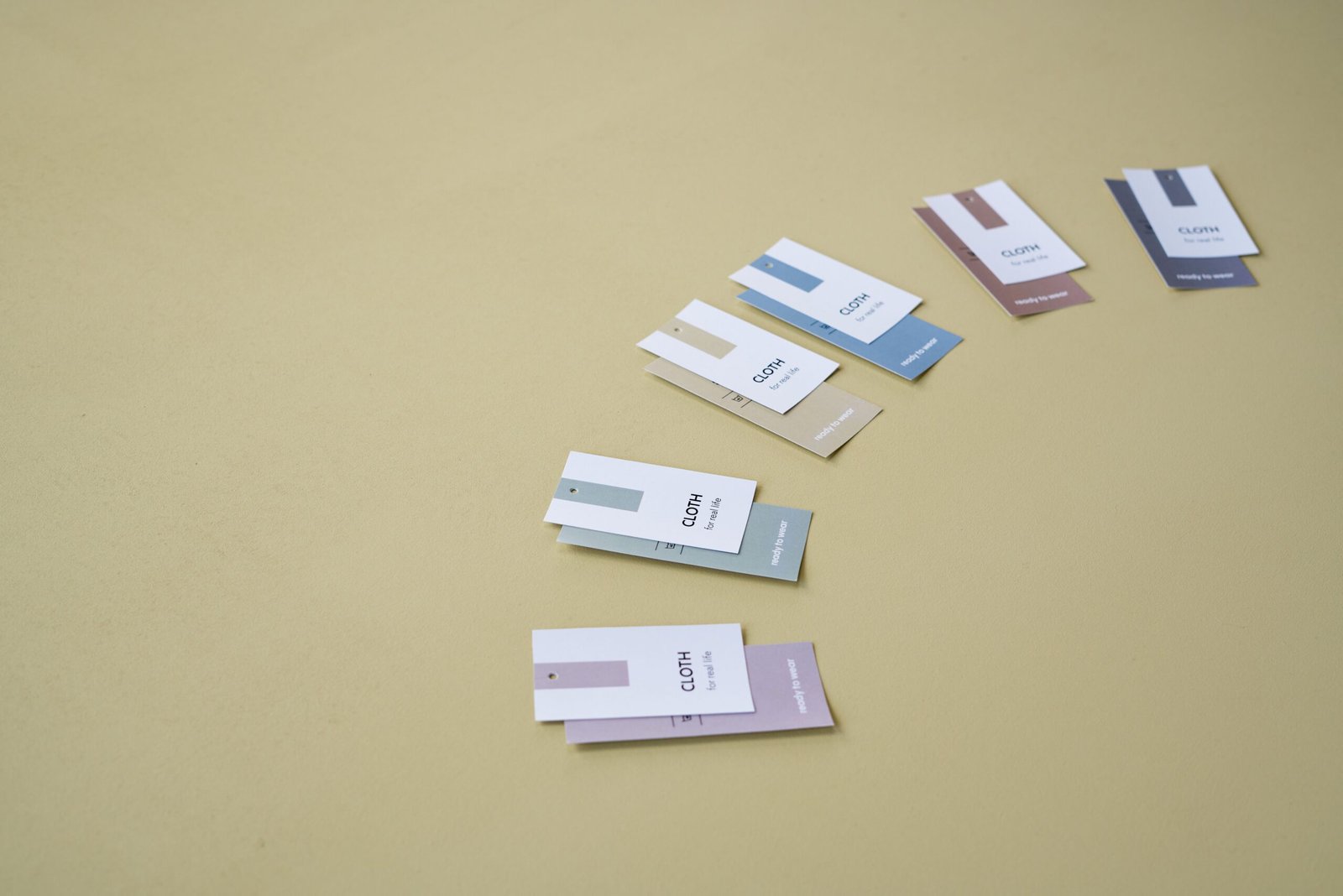
Building a successful business requires more than offering a good product or service. Customers also need to recognize your business, understand what it represents, and trust the value it provides. This is where brand identity becomes important.
If you are wondering how to create a brand identity, you need to understand that branding involves much more than designing a logo. It includes your brand strategy, visual elements, typography, colors, messaging, personality, and the overall experience customers have with your business.
A strong brand identity helps your business stand out from competitors, communicate its values, attract the right audience, and create a consistent impression across different platforms.
For example, when people see the distinctive colors, typography, or packaging of a familiar company, they may recognize the brand before reading its name. This recognition develops through consistent branding over time.
Whether you are starting a new business, launching an online store, building a personal brand, or rebranding an existing company, learning how to create a brand identity can help you establish a stronger market presence.
In this guide, we will explain the complete brand identity creation process, from researching your target audience to designing a logo, choosing colors, developing brand guidelines, and applying your identity across marketing channels.
What Is Brand Identity?
Brand identity is the collection of visual, verbal, and strategic elements that represent a business and distinguish it from competitors.
It communicates what your business does, what it believes in, and how you want customers to perceive it.
A brand identity usually includes the following elements:
- Brand name and positioning
- Logo and supporting graphic elements
- Brand colors and typography
- Photography and illustration styles
- Brand voice and messaging
- Packaging and marketing materials
- Website and social media design
- Brand guidelines and usage rules
These elements work together to create a recognizable and consistent brand.
For example, a luxury jewelry brand may use elegant typography, neutral colors, premium packaging, and sophisticated photography. A technology startup may use modern typography, clean layouts, and bold colors to communicate innovation.
Both businesses need a brand identity, but their design choices should reflect different audiences and positioning.
It is also important to understand the difference between brand identity, brand image, and branding.
Brand identity refers to how a business presents itself. Brand image refers to how customers perceive that business. Branding is the ongoing process of shaping that perception through design, communication, products, and customer experiences.
Understanding these differences is the first step in learning how to create a brand identity that supports your business goals.
Why Is Brand Identity Important for a Business?
Before exploring how to create a brand identity, it helps to understand why businesses invest in branding.
A strong identity can support recognition, differentiation, credibility, and customer loyalty. However, visual design alone cannot guarantee business success. Your product quality, customer service, pricing, and marketing also influence how people respond to your brand.
Here are the main benefits of building a clear brand identity.
1. It Makes Your Business Recognizable
Customers encounter hundreds of brands through websites, advertisements, social media, search engines, and physical stores.
A consistent visual identity makes it easier for people to recognize your business across these channels.
When your logo, colors, typography, and imagery remain consistent, customers have more opportunities to become familiar with your brand.
For example, using the same logo and color palette on your website, product packaging, invoices, and social media profiles creates a unified appearance.
This is one of the main reasons businesses need a clear brand identity from the beginning.
2. It Helps You Stand Out From Competitors
Many businesses offer similar products and services. A distinctive brand identity can help communicate why your business is different.
Consider two companies selling the same type of skincare product. One may position itself as an affordable everyday skincare brand, while the other focuses on premium ingredients and a luxurious experience.
Although their products may serve similar purposes, their brand identities should communicate different values.
When you understand how to create a brand identity around a clear market position, you can make more deliberate decisions about design, messaging, packaging, and customer experience.
3. It Builds Trust and Professionalism
Customers often evaluate a business before making a purchase.
An inconsistent website, low-quality logo, confusing messaging, or poorly designed packaging may create doubts about the business.
A professional brand identity helps present your company in a more organized and credible way.
However, visual professionalism must be supported by real business practices. Reliable products, honest communication, transparent pricing, and good customer service are essential for building lasting trust.
4. It Creates Emotional Connections
Successful brands do more than communicate product features. They can also represent ideas, aspirations, lifestyles, and values.
For example, an outdoor clothing brand might communicate freedom and adventure. A financial consulting company might emphasize reliability and confidence.
When your brand personality reflects the needs and preferences of your target audience, your communication can become more relevant and memorable.
5. It Supports Long-Term Marketing
A defined brand identity gives your marketing team a consistent visual and verbal framework.
Instead of creating every advertisement from scratch, you can use established colors, fonts, image styles, messaging principles, and templates.
This approach can improve consistency across campaigns and make marketing production more efficient.
Step 1: Define Your Brand Strategy
The first step in learning how to create a brand identity is to develop a clear brand strategy.
Many business owners begin by choosing colors or designing a logo. However, designing before defining the brand’s purpose can lead to a visual identity that looks attractive but does not communicate the right message.
Your brand strategy establishes the foundation for every design decision.
Define Your Business Purpose
Start by answering a simple question: Why does your business exist beyond making money?
Your answer should explain the problem your company solves and the value it provides to customers.
For example:
- A home safety company helps families create safer living environments for older adults.
- A digital marketing agency helps businesses attract customers and improve online visibility.
- A jewelry company offers accessories that help customers express their personal style.
- A software company helps teams automate repetitive tasks and work more efficiently.
A clear purpose helps you understand what your brand should communicate.
Develop Your Mission and Vision
Your mission describes what your business does today, whom it serves, and how it provides value.
Your vision describes what you want your business to become in the future.
For example:
Mission: To help small businesses build professional and recognizable visual identities.
Vision: To become a trusted creative partner for growing businesses across multiple industries.
Your mission and vision do not need to be complicated. They should be understandable, realistic, and relevant to your business.
Identify Your Core Values
Core values describe the principles that guide your business decisions.
Possible brand values include:
- Trust
- Innovation
- Simplicity
- Sustainability
- Creativity
- Transparency
- Quality
- Accessibility
Choose values that reflect how your company actually operates.
If your business values simplicity, for example, this principle might influence your website navigation, packaging, product design, and customer communication.
Avoid selecting too many values. Three to five meaningful principles are usually enough to establish a useful foundation.
Write Your Brand Positioning Statement
Brand positioning explains how you want customers to understand your business compared with alternatives.
A simple positioning statement can follow this structure:
“For [target audience], [brand name] is a [product or service category] that provides [main benefit] through [distinctive advantage].”
For example:
“For growing businesses, Imagenewpic is a creative design partner that develops distinctive visual identities to help brands present themselves professionally.”
This statement is primarily an internal planning tool. You can refine it as you learn more about your audience and market.
Step 2: Research Your Target Audience
A brand identity should be designed for the people you want to reach, not only for your personal preferences.
Your favorite colors, fonts, or design styles may not match the expectations of your intended customers.
Audience research helps you make better decisions.
Identify Your Ideal Customer
Begin by describing the people most likely to purchase your product or service.
Depending on your business, relevant characteristics may include:
- Age range and location
- Occupation or industry
- Income or purchasing power
- Interests and lifestyle
- Problems and priorities
- Shopping habits
- Preferred communication channels
For a business-to-business company, you may need to focus more on company size, industry, decision-makers, budget, and purchasing requirements.
The goal is to understand who makes buying decisions and what influences those decisions.
Understand Customer Problems
Your brand should communicate how your business helps customers.
Interview existing customers, review customer feedback, study competitor reviews, and examine questions people ask online.
Look for recurring problems and expectations.
For example, customers hiring a logo designer may be concerned about poor communication, generic designs, unclear pricing, or receiving files that cannot be used for printing.
A design agency could address these concerns by emphasizing original concepts, clear project stages, transparent pricing, and complete delivery files.
These insights can influence both brand messaging and the customer experience.
Create Customer Personas
A customer persona is a practical summary of an important audience segment.
For example:
Persona: The Growing Business Owner
- Age: 28–45
- Goal: Build a professional business presence
- Challenge: Limited time and branding experience
- Concern: Paying for design without receiving useful results
- Preferred channels: Google Search, LinkedIn, and Instagram
- Brand preference: Professional, modern, and trustworthy
Use personas as working hypotheses rather than treating them as exact descriptions of every customer.
As your business grows, update them using real customer data.
Step 3: Analyze Your Competitors
Competitor research helps you understand how other businesses position themselves and identify opportunities to differentiate your brand.
The goal is not to copy another company’s identity. It is to understand the market and find a distinctive direction.
Identify Direct and Indirect Competitors
Direct competitors sell similar products or services to a similar audience.
Indirect competitors solve the same customer problem through a different approach.
For example, a branding agency may compete directly with other design agencies and indirectly with freelancers, DIY logo platforms, and AI-powered design tools.
Study several relevant competitors rather than focusing on only one company.
Evaluate Their Brand Identity
Review each competitor’s:
- Logo and visual style
- Brand colors and typography
- Website layout and messaging
- Product presentation
- Social media content
- Pricing and positioning
- Customer reviews
- Strengths and weaknesses
Look for repeated patterns.
If every competitor uses similar colors and generic corporate imagery, there may be an opportunity to adopt a different but appropriate visual direction.
However, differentiation should not come at the expense of credibility or audience expectations.

Create a Competitor Comparison
A simple comparison table can help organize your findings.
| Brand element | Competitor A | Competitor B | Your opportunity |
|---|---|---|---|
| Visual style | Traditional | Minimalist | Develop a distinctive, flexible system |
| Messaging | Product-focused | Price-focused | Communicate customer outcomes |
| Website | Information-heavy | Simple | Combine clarity with useful detail |
| Social media | Promotional | Educational | Build trust through useful content |
This exercise can help you make strategic decisions before investing in design.
Step 4: Choose a Brand Personality
Brand personality refers to the human characteristics associated with your business.
It influences how your brand communicates, looks, and behaves.
For example, a brand might feel sophisticated, playful, bold, friendly, technical, or dependable.
Choosing a clear personality makes it easier to maintain consistency across different touchpoints.
Select Three to Five Personality Traits
Choose a small set of traits that describe how your brand should be perceived.
A luxury automotive service might choose:
- Discreet
- Precise
- Sophisticated
- Dependable
A creative agency might choose:
- Innovative
- Approachable
- Bold
- Collaborative
A healthcare-related business might prioritize:
- Reassuring
- Clear
- Responsible
- Professional
These traits should guide your design and communication choices.
For example, a sophisticated brand might use restrained typography, carefully spaced layouts, and high-quality photography. A playful brand might use expressive illustrations, brighter colors, and conversational messaging.
Create a Brand Voice
Brand voice describes how your business communicates through words.
It includes website copy, advertisements, emails, social media posts, product descriptions, and customer support.
Decide whether your brand should sound formal or conversational, technical or simple, playful or serious.
For example, a financial services brand may use clear and confident language, while a lifestyle brand may use a warmer and more expressive tone.
Create a few writing rules that your team can follow.
If your brand values simplicity, use short sentences, clear headings, and practical explanations. If your audience is unfamiliar with technical terms, explain them instead of relying on industry jargon.
A consistent brand voice helps customers recognize your communication even when your logo is not visible.
read also: How to Design a Logo: A Complete Guide to Creating a Powerful Brand Identity
Step 5: Choose a Memorable Brand Name
Your brand name is one of the most visible parts of your identity.
A good name should support your positioning, suit your audience, and work across the channels where your business operates.
Characteristics of a Strong Brand Name
An effective brand name is generally:
- Easy to pronounce
- Easy to remember
- Relevant to your brand strategy
- Distinctive within your market
- Suitable for future growth
- Practical for digital use
Not every successful name describes the product directly. Some names are abstract, invented, or based on a founder’s name.
The important question is whether the name can support a recognizable and meaningful brand.
Check Name Availability
Before finalizing your name, conduct appropriate checks.
Search for similar business names, domain names, social media handles, and relevant trademarks in the markets where you intend to operate.
A domain being available does not mean a name is legally available for trademark registration.
Likewise, a trademark search should consider similar names, related goods and services, and the relevant jurisdiction.
If your business will operate in India, consult the official Indian trademark database and consider professional legal advice before making a significant investment.
Once the name has been selected, use it consistently across your website, social media, business documents, and marketing materials.
Step 6: Design a Professional Logo
Logo design is one of the most recognizable parts of creating a brand identity.
A logo provides a visual identifier that helps people distinguish your business from other companies.
However, a logo should not be expected to communicate every detail about your business. Its main job is to identify the brand and work effectively in different contexts.
Explore Different Logo Types
There are several common logo categories.
Wordmark: A logo built primarily from the brand name using distinctive lettering.
Lettermark: A logo based on initials or abbreviated letters.
Combination mark: A design combining a wordmark with a symbol.
Symbol or icon: A graphic mark that can identify a brand independently once it becomes recognizable.
Emblem: A design in which text and graphic elements are integrated into a badge or contained shape.
For example, a professional consulting company may benefit from a wordmark, while an app-focused business may need a compact symbol that works well as an application icon.
The best option depends on your business name, industry, audience, and practical usage requirements.
Focus on Simplicity
A logo should remain recognizable at different sizes.
Overly complicated graphics, excessive decorative effects, and too many colors can make a logo difficult to reproduce.
Start with a clear concept. Test it in black and white before introducing color. Check whether it works on a website header, business card, social media avatar, product label, and mobile screen.
Choose the Right Logo Style
Your logo should reflect your brand personality.
A premium brand might use carefully crafted typography and restrained graphic elements. A playful consumer brand might use rounded lettering and expressive shapes.
Avoid selecting a style simply because it is popular.
Trends change, but your logo should support the long-term recognition of your business.
Create Multiple Logo Variations
A complete logo system may include:
- Primary logo
- Secondary or horizontal logo
- Stacked logo
- Icon or symbol
- Black logo
- White logo
- Full-color logo
These variations help you use your identity across light and dark backgrounds, narrow website headers, square social media layouts, and printed materials.
Prepare the Correct File Formats
For a professional handover, request appropriate file formats.
Vector formats such as SVG, EPS, or AI are useful for scalable artwork and production workflows. PNG is useful when a transparent raster image is required. PDF can be useful for sharing print-ready artwork.
Keep editable source files and clearly organized exports.
A well-designed logo system is more useful than a single image that only works in one location.
Step 7: Select Your Brand Colors
Color is an important part of visual identity because it influences visual recognition, contrast, and the overall character of a design.
However, no single color guarantees that customers will perceive your brand in a particular way. Color meanings can vary across cultures, industries, and individual experiences.
The best approach is to select colors that fit your positioning and work well across real applications.
Understand the Main Color Roles
A practical brand palette usually contains several functional roles.
Primary color: The main color associated with your brand.
Secondary colors: Supporting colors that expand the visual system.
Accent color: A color used selectively to draw attention to important elements.
Neutral colors: Colors used for backgrounds, text, borders, and other supporting elements.
For example, a professional brand might use navy blue as its primary color, light gray as a neutral, and a restrained orange as an accent.
Another business might use deep green, cream, and charcoal to create a different visual character.
Create a Balanced Color Palette
Start with a limited palette rather than choosing too many colors.
Define the exact color values using HEX, RGB, or CMYK, depending on the intended application.
HEX and RGB are commonly used in digital design, while CMYK is often relevant to commercial printing. Final print colors can vary depending on paper, ink, and production conditions.
Test your palette on light and dark backgrounds. Check text contrast, button visibility, and readability.
Accessibility should be considered from the beginning. Important text should have sufficient contrast against its background.
Apply Colors Consistently
Once your palette is established, document how each color should be used.
For example, your guidelines might specify that the primary color is used for major brand elements, neutral backgrounds support content readability, and the accent color highlights selected actions.
This creates a more consistent experience across your website, advertisements, packaging, and social media graphics.
Step 8: Select Brand Typography
Typography refers to the design and arrangement of text.
The fonts you choose affect readability, visual hierarchy, and the overall personality of your brand.
When learning how to create a brand identity, typography deserves the same attention as logo design and color selection.
Understand Common Font Categories
Serif fonts: Often associated with traditional publishing, editorial design, and certain premium brand styles.
Sans-serif fonts: Frequently used for modern interfaces, corporate communication, and clean visual systems.
Display fonts: Designed for prominent headlines and expressive visual applications.
Script fonts: Can provide an informal, handwritten, or elegant appearance, depending on the design.
These associations are not universal rules. A font should be evaluated in context rather than selected based on category alone.
Create a Typography Hierarchy
A practical brand typography system may include:
- Heading font
- Body text font
- Optional accent font
Define the appropriate weights, sizes, line heights, and spacing for each role.
For example, a website may use a bold heading style, a regular body font, and a medium-weight style for buttons and navigation.
Avoid using too many unrelated typefaces. A small, coordinated font system is usually easier to maintain.
Check Font Licensing
Before using a font commercially, review its license.
Some fonts permit commercial use, while others require a paid license or have restrictions on embedding, redistribution, or use in applications.
Google Fonts offers many fonts under licenses that permit broad use, but you should still check the license of the specific font.
Document your selected fonts and provide the required files or links to your team.
Step 9: Develop Your Visual Language
A complete brand identity includes more than a logo, colors, and fonts.
Your visual language determines how images, graphics, shapes, layouts, and other design elements work together.
This system helps make your brand recognizable even when individual designs differ.
Define Your Photography Style
Photography is particularly important for websites, advertising campaigns, ecommerce stores, and social media.
Decide whether your brand should use studio photography, lifestyle imagery, product close-ups, documentary-style images, or a combination of approaches.
Consider lighting, composition, backgrounds, color treatment, and subject selection.
For example, a luxury product brand may use controlled lighting, simple backgrounds, and detailed close-ups. A family-focused brand may use natural lighting and relatable environments.
Use authentic, relevant imagery whenever possible. Avoid visuals that make misleading claims about your products or services.
Create Supporting Graphic Elements
Supporting elements may include icons, illustrations, patterns, lines, shapes, textures, and background treatments.
These components should reinforce your brand rather than compete with the logo.
A technology brand might use a structured grid and simple geometric shapes. A wellness brand might use softer forms and natural textures.
The purpose is to create a visual system that can adapt to different content while remaining recognizable.
Establish Layout Principles
Layout principles determine how elements are arranged.
Define guidelines for margins, spacing, alignment, image placement, and content hierarchy.
For digital designs, you may establish rules for website containers, grid systems, button styles, and card layouts.
For print materials, you may specify page margins, image proportions, and heading placement.
Consistent layout principles make it easier to create professional designs as your business grows.
Step 10: Develop Your Brand Messaging
Visual identity helps people recognize your business, while messaging helps them understand it.
Your brand messaging should clearly communicate who you serve, what you offer, and why customers should consider your business.
Write a Clear Brand Promise
A brand promise explains the value customers can reasonably expect from your company.
For example, a design agency might promise a structured creative process and clear communication. An online retailer might focus on carefully selected products and reliable delivery.
Your promise should be specific enough to guide customer expectations and realistic enough to deliver consistently.
Avoid unsupported claims such as being the best company in the world or guaranteeing results you cannot control.
Create a Tagline
A tagline is a short phrase that communicates an idea associated with your brand.
It may highlight your value proposition, philosophy, or customer benefit.
A tagline is optional. It should not be added simply to fill space beneath a logo.
If you use one, keep it clear, memorable, and aligned with your positioning.
Define Your Key Messages
Create a small collection of approved messages for your website, marketing materials, and sales conversations.
These may include:
- What your company does
- Who your ideal customers are
- What makes your offer different
- What customers can expect
- Why your business exists
Your messages should remain consistent without sounding identical in every situation.
A website homepage may require a concise value proposition, while a detailed service page can explain the process and benefits more thoroughly.
Step 11: Design Your Website Around the Brand
Your website is often one of the first places potential customers encounter your business.
It should reflect the same identity used across your other marketing channels.
A visually attractive website is not enough. Visitors must also be able to understand your offering, find information, and complete important actions.
Create a Consistent Website Design
Apply your brand system to:
- Navigation and website headers
- Headings and body text
- Buttons and links
- Backgrounds and section layouts
- Icons and illustrations
- Images and banners
- Forms and contact sections
- Footer and legal pages
The logo should be clear without overwhelming the page. Colors should support hierarchy and readability. Typography should remain consistent across pages.
Prioritize User Experience
Good branding and good user experience should work together.
Make navigation understandable, keep important information easy to find, and ensure that the website functions properly on mobile devices.
Use descriptive button labels, accessible text contrast, readable font sizes, and clear error messages.
For ecommerce websites, product information, pricing, shipping details, and return policies should be easy to locate.
For service businesses, clearly explain your services, process, experience, and contact options.
Optimize Website Performance
A strong brand experience can be weakened by slow loading times, broken links, or difficult navigation.
Optimize images, use appropriate responsive layouts, test forms, and check important pages across devices.
Also maintain consistent page titles, meta descriptions, and other relevant SEO elements.
Brand identity and search engine optimization serve different purposes, but they can support the same business goals when the website communicates clearly and provides useful content.
Step 12: Apply Your Brand Identity to Social Media
Social media provides repeated opportunities for people to encounter your brand.
Consistent visual presentation can make your profiles and content easier to recognize.
Create Social Media Templates
Prepare reusable templates for common content types, such as:
- Educational posts
- Product announcements
- Customer testimonials
- Promotional offers
- Company updates
- Short-form video covers
- Case studies
- Frequently asked questions
Templates should establish a consistent visual structure while leaving room for different content.
Avoid making every post look exactly the same. Consistency should help recognition, not eliminate creativity.
Keep Profile Elements Consistent
Use appropriate versions of your logo, a consistent profile image, recognizable brand colors, and clear profile messaging.
Your biography should explain what your business offers and whom it serves.
Use platform-specific layouts rather than forcing the same design into every format.
For example, a square post, a vertical story, and a wide video thumbnail have different space requirements.
Develop a Content Style
Your brand identity should also influence how you create content.
Define the tone of your captions, the style of your videos, the way you present products, and the types of topics you discuss.
A brand focused on education may publish tutorials and practical explanations. A premium product brand may emphasize craftsmanship, product details, and carefully produced imagery.
This makes social media part of the overall brand experience rather than a separate activity.
Step 13: Build a Complete Brand Identity System
A professional brand identity should be organized into a system that people can use consistently.
This becomes especially important when multiple designers, marketers, developers, or external agencies work on the same brand.
Without clear guidelines, the logo may be stretched, colors may change between designs, and typography may become inconsistent.
What Should a Brand Identity System Include?
A complete brand identity system may contain:
1. Brand strategy document
Include the brand purpose, mission, vision, audience, positioning, values, and personality.
2. Logo package
Provide the primary logo, alternate versions, icon, monochrome versions, and approved file formats.
3. Color palette
Document the official color values and explain the intended role of each color.
4. Typography system
Specify approved fonts, font weights, and basic rules for headings, body text, and other text elements.
5. Visual language
Define the photography style, illustration approach, icon style, supporting graphics, and layout principles.
6. Brand voice guidelines
Explain the brand’s tone, preferred language, messaging principles, and words or expressions to avoid.
7. Application examples
Show how the identity works on websites, social media, business cards, presentations, packaging, and advertising materials.
8. Usage restrictions
Explain what not to do, such as stretching the logo, changing its proportions, adding unapproved effects, or placing it on backgrounds that reduce legibility.
Create a Brand Style Guide
A brand style guide turns your identity decisions into practical instructions.
It can be a PDF, a shared design document, or a dedicated digital brand portal.
Include real examples wherever possible.
For example, show the minimum logo size, clear space around the logo, approved background colors, and examples of incorrect usage.
A useful style guide should be clear enough that a new designer can create on-brand materials without repeatedly asking for clarification.
Step 14: Apply the Brand Identity Across Business Touchpoints
Your brand identity should remain recognizable wherever customers interact with your business.
These interactions are known as brand touchpoints.
Common touchpoints include websites, packaging, email signatures, invoices, advertisements, sales presentations, product interfaces, customer support, and physical signage.
Maintain Consistency Without Making Everything Identical
Different platforms have different technical and practical requirements.
Your website may use a horizontal logo, while your social media profile uses a compact icon. Your packaging may require a simplified mark for small labels.
These variations are acceptable when they follow the same underlying design rules.
The goal is not to copy one layout everywhere. It is to maintain a recognizable identity across different formats.
Review the Complete Customer Experience
Brand identity also extends beyond visual design.
Consider how customers experience your business when they request a quotation, purchase a product, receive an order, ask for support, or submit feedback.
If your brand communicates simplicity but your purchasing process is confusing, the experience does not support your positioning.
If your brand promises reliability but customer communication is inconsistent, the overall identity becomes less convincing.
Strong branding requires alignment between what you communicate and what you deliver.
Step 15: Choose the Right Tools to Create a Brand Identity
You do not necessarily need an expensive software setup to begin building a brand identity.
The right tools depend on your skills, project complexity, budget, and production requirements.
Logo and Visual Design Tools
Adobe Illustrator: Useful for professional vector logo design, scalable artwork, and detailed graphic systems.
Figma: Useful for digital design systems, website mockups, collaborative design work, and brand asset organization.
Canva: Useful for social media templates, basic marketing materials, and straightforward visual content.
Affinity Designer: Another option for vector and graphic design workflows.
Choose tools that support the files and workflows your business actually needs.
For example, a business that primarily creates social media content may have different requirements from a company developing product packaging and a complete identity system.
Research and Planning Tools
Spreadsheets and documents can help you organize audience research, competitor comparisons, color specifications, and brand guidelines.
You can also use customer surveys, website analytics, and customer feedback to evaluate whether your brand is communicating effectively.
AI tools may assist with brainstorming names, exploring visual directions, developing draft messaging, and generating initial concepts. However, you should review their output carefully for originality, accuracy, legal concerns, and consistency.
No tool can replace the need for clear positioning and informed design decisions.
Step 16: Common Brand Identity Mistakes to Avoid
Understanding how to create a brand identity also means knowing which mistakes can weaken your results.
Mistake 1: Designing Without a Strategy
A logo may look attractive but still be unsuitable for your target audience.
How to avoid it: Define your positioning, audience, values, and personality before finalizing the visual direction.
Mistake 2: Copying Competitors
Copying another company’s logo, color palette, or distinctive design elements can make your business look unoriginal and may create legal risks.
How to avoid it: Study competitors to understand the market, then develop an independent concept based on your own brand strategy.
Mistake 3: Following Every Design Trend
Trendy effects and fashionable typefaces can become outdated or fail to support your positioning.
How to avoid it: Use trends selectively. Prioritize recognition, readability, relevance, and flexibility.
Mistake 4: Using Too Many Colors and Fonts
Too many unrelated visual elements make a brand harder to manage consistently.
How to avoid it: Establish a limited, coordinated palette and a clear typography hierarchy.
Mistake 5: Ignoring Mobile Devices
A logo that works on a large desktop screen may become unreadable on a mobile device.
How to avoid it: Test logo variations, typography, navigation, and graphic elements at different sizes.
Mistake 6: Inconsistent Social Media Design
Changing the brand style for every post can weaken visual recognition.
How to avoid it: Create reusable templates and documented rules while allowing enough flexibility for different content formats.
Mistake 7: Ignoring Customer Feedback
A brand identity is not effective simply because the founder likes the design.
How to avoid it: Test concepts with representative customers and evaluate whether they communicate the intended qualities.
Mistake 8: Neglecting Brand Guidelines
Without documentation, different team members may interpret the identity differently.
How to avoid it: Maintain an accessible brand style guide and provide approved assets to everyone who creates branded materials.
Mistake 9: Treating Branding as a One-Time Task
Markets, audiences, products, and business goals change over time.
How to avoid it: Review your brand periodically and make deliberate updates when necessary. Avoid changing recognizable elements without a clear reason.
Step 17: How to Measure Brand Identity Performance
Brand identity should support business objectives, so it is useful to evaluate its performance.
However, not every branding benefit appears immediately in sales figures. Recognition, customer perception, and consistency may require time to develop.
Measure Brand Recognition
Ask relevant customers whether they recognize your logo, brand name, or visual style.
You can use surveys, interviews, or structured tests to compare recognition before and after a branding update.
Measure Website Performance
Review relevant website metrics, including:
- Organic search traffic
- Branded search activity
- Engagement with important pages
- Contact form submissions
- Qualified leads
- Ecommerce conversion rates
These metrics can provide useful signals, but they are affected by many factors beyond brand identity.
Evaluate Customer Perception
Ask customers what comes to mind when they hear your brand name.
You can also evaluate whether your brand is perceived as professional, trustworthy, affordable, premium, innovative, or approachable, depending on your intended positioning.
Compare these responses with the qualities you want your brand to communicate.
Track Marketing Consistency
Review your website, social media posts, advertisements, presentations, and sales materials.
Check whether they follow the approved logo, typography, color palette, imagery, and messaging guidelines.
A periodic brand audit can identify inconsistencies before they spread across multiple channels.
Connect Branding to Business Goals
Ultimately, the relevant measures depend on what your business wants to achieve.
A new company may prioritize awareness and qualified leads. An established ecommerce brand may focus on repeat purchases, conversion rates, and customer retention.
Use a combination of brand perception measures and business performance indicators rather than relying on one metric.
Step 18: How Much Does It Cost to Create a Brand Identity?
The cost of creating a brand identity varies significantly depending on the project scope, designer experience, research requirements, and deliverables.
A basic logo project is different from a complete brand identity system that includes strategy, multiple logo variations, packaging, website design, and detailed guidelines.
Basic Brand Identity
A basic package may include:
- One primary logo
- A small color palette
- Font recommendations
- A few social media templates
This may suit a small business with limited requirements, provided the deliverables are sufficient for its intended use.
Professional Brand Identity
A more comprehensive package may include:
- Brand discovery and competitor research
- Brand positioning and personality
- Primary and secondary logo variations
- Color and typography systems
- Supporting graphic elements
- Brand style guide
- Selected marketing templates
This approach is more suitable for businesses that need consistency across multiple channels.
Complete Brand Identity System
A comprehensive project may also include:
- Audience and market research
- Detailed brand strategy
- Naming support
- Packaging design
- Website visual direction
- Presentation templates
- Marketing collateral
- Extended usage documentation
Pricing should reflect the actual work, complexity, research, revisions, licensing, and production requirements.
When comparing proposals, look beyond the headline price. Review the number of concepts, revision rounds, file formats, ownership terms, and exact deliverables.
A clear scope helps prevent misunderstandings and makes it easier to compare providers fairly.
Step 19: How Long Does It Take to Create a Brand Identity?
The timeline depends on the complexity of the project and how quickly decisions are made.
A small visual identity project may take a few days or weeks, while a comprehensive brand strategy and identity system may take several weeks or longer.
A typical process includes the following stages:
Discovery and research: Understand the business, target audience, market, and competitors.
Strategy development: Define positioning, values, personality, and messaging.
Creative exploration: Develop possible visual directions and logo concepts.
Design development: Refine the selected direction and build the visual system.
Applications and guidelines: Prepare assets, templates, and usage instructions.
Review and handover: Test the identity, finalize files, and deliver documentation.
Feedback delays, legal checks, packaging requirements, and website integration can extend the timeline.
The best approach is to establish a realistic schedule with defined approval stages rather than rushing directly into logo design.
Step 20: Brand Identity Examples Across Different Industries
The principles of brand identity remain broadly similar across industries, but their application should reflect the market and audience.
Luxury Brands
Luxury brands often emphasize craftsmanship, exclusivity, restraint, and attention to detail.
Their identity systems may use carefully selected typography, refined layouts, premium photography, and high-quality packaging.
However, luxury branding does not always mean using black and gold. The right visual direction depends on the category, customer expectations, and brand positioning.
Technology Companies
Technology companies may emphasize clarity, innovation, usability, or technical credibility.
Their identities often need to work across websites, mobile applications, dashboards, presentations, and product interfaces.
A flexible logo system and accessible digital design can be especially important.
Healthcare and Wellness Brands
Healthcare and wellness brands need to communicate clearly and responsibly.
Their visual identities should support readability, accessibility, and appropriate levels of trust.
Claims about health benefits must also be accurate and properly supported. Design should never substitute for reliable information.
Ecommerce Brands
Ecommerce businesses need consistent branding across product pages, packaging, advertising, email campaigns, and social media.
Product photography, clear product descriptions, readable labels, and recognizable packaging can all contribute to the customer experience.
Service-Based Businesses
Consultants, agencies, architects, and professional service providers often rely on their website, proposals, case studies, and client communication to establish credibility.
Their brand identity should reflect their expertise while making their services easy to understand.
These examples show why learning how to create a brand identity requires both a consistent framework and industry-specific judgment.
Step 21: A Practical Brand Identity Checklist
Before launching your new identity, use the following checklist to confirm that the main elements are ready.
-
Brand purpose, mission, and values are documented.
-
Target audience and positioning are clearly defined.
-
Competitor research is complete.
-
Brand personality and voice are established.
-
Brand name availability has been reviewed.
-
Primary logo and alternate variations are finalized.
-
Logo files are available in appropriate formats.
-
Brand color palette is documented.
-
Typography and licensing requirements are confirmed.
-
Photography and supporting graphics follow a clear style.
-
Brand messaging is consistent.
-
Website design reflects the identity.
-
Social media templates are prepared.
-
Marketing and business documents use approved assets.
-
Brand guidelines are available to relevant team members.
-
Important customer touchpoints have been reviewed.
-
Brand performance measures have been selected.
Completing this checklist helps you move from individual design elements to a usable brand identity system.
Frequently Asked Questions About How to Create a Brand Identity
1. How do beginners create a brand identity?
Beginners should start by defining their business purpose, audience, positioning, and personality. Next, they can develop a logo, select a color palette and typography, establish a visual style, and create basic brand guidelines.
It is better to develop a clear and consistent identity than to invest in many disconnected design elements.
2. What are the five main elements of brand identity?
Five important elements are the logo, color palette, typography, visual language, and brand voice.
A complete identity may also include brand strategy, messaging, photography, packaging, and detailed guidelines.
3. Can I create a brand identity myself?
Yes. Business owners can use design software, templates, and structured planning to create a basic identity.
For complex projects, professional support may be helpful, especially when the business requires original logo development, extensive research, packaging, or a complete visual system.
4. Is a logo the same as brand identity?
No. A logo is one element of brand identity.
Brand identity also includes colors, typography, graphic elements, photography, messaging, and other components that work together to represent a business.
5. How many colors should a brand identity have?
There is no universal rule, but a small, coordinated palette is often easier to manage than a large collection of unrelated colors.
Start with a primary color, supporting colors, an accent color if needed, and suitable neutrals. Test the palette for readability and practical use.
6. How many fonts should a brand use?
Many brands can work effectively with one or two coordinated typefaces, sometimes with a separate display style.
The goal is to create a clear hierarchy without making the design unnecessarily complicated.
7. Why are brand guidelines important?
Brand guidelines explain how to use your logo, colors, typography, images, and messaging consistently.
They help internal teams and external designers create materials that follow the same identity rules.
8. When should a business rebrand?
A rebrand may be appropriate when a business changes its positioning, enters a new market, expands its services, merges with another company, or discovers that its existing identity no longer reflects its goals.
Not every business needs a complete rebrand. Sometimes, a limited visual refresh or clearer messaging is sufficient.
9. How can I make my brand identity unique?
Start by identifying meaningful differences in your audience, positioning, values, customer experience, and visual direction.
Develop original concepts instead of copying competitors. Test whether the identity communicates your intended personality and remains recognizable across different applications.
10. What is the difference between brand identity and brand strategy?
Brand strategy defines the business’s purpose, audience, positioning, values, and competitive direction.
Brand identity translates that strategy into recognizable visual and verbal elements.
Both are important because design decisions should support the direction of the business.
Conclusion
Learning how to create a brand identity is an important step toward building a recognizable and consistent business.
The process starts with understanding your audience and defining your brand strategy. From there, you can develop a suitable name, design a logo, select colors and typography, establish a visual language, and create consistent messaging.
The final step is to apply these elements across your website, social media, packaging, advertising, and customer interactions.
Remember that a successful brand identity is not simply a collection of attractive visuals. It is a practical system that communicates your business’s values and supports the experience customers receive.
Start with a clear strategy, make deliberate design decisions, document your guidelines, and review the results as your business grows.
If you are building a new business or refreshing an existing one, investing time in a well-planned brand identity can help you create a more consistent and professional brand presence.
Ready to build your brand? Explore the branding and logo design resources available at Imagenewpic to discover ideas for developing a distinctive visual identity for your business.